
In today’s digital-first business environment, even a minute of downtime can result in lost revenue, compromised data, and damaged customer trust. For Singaporean businesses, where operational efficiency and reliability are paramount, investing in a reliable backup power solution is critical.
One of the most effective ways to ensure seamless power continuity is by installing an auto transfer switch (ATS). While it might seem like a costly addition upfront, the long-term benefits far outweigh the initial investment. From preventing downtime to safeguarding sensitive equipment, an ATS auto transfer switch offers tangible returns that every business should consider.
What Is an Auto Transfer Switch?
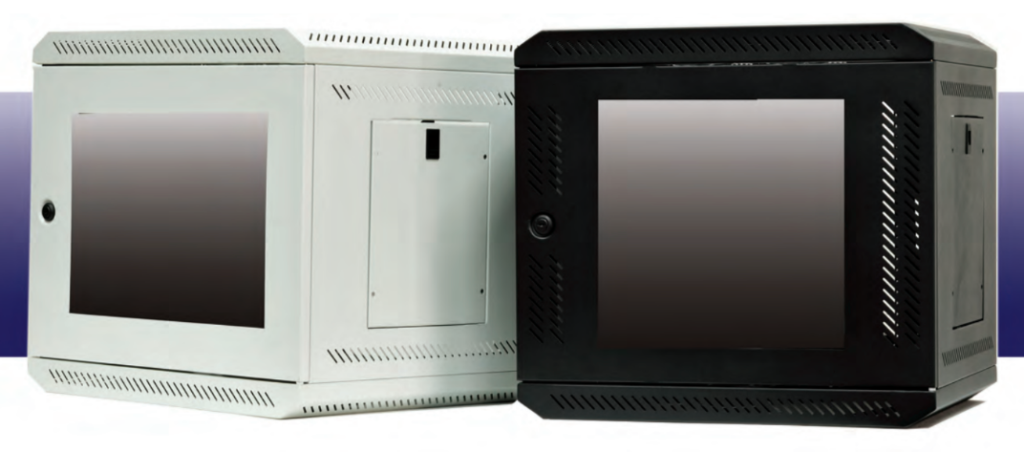
An auto transfer switch is an electrical device that automatically switches the power source from the primary utility line to a backup generator in the event of a power outage. This ensures that critical systems remain operational without manual intervention.
Key features of an ATS auto transfer switch include:
- Automatic detection of power failures
- Immediate switch to backup power
- Seamless transition to prevent downtime
- Manual override options for maintenance
In essence, an ATS acts as the “guardian” of your electrical systems, ensuring continuous power and peace of mind.
The High Cost of Power Interruptions in Singapore
Singapore’s economy is fast-paced and heavily dependent on technology. Even brief power disruptions can have serious consequences:
- Financial Losses: Retailers, e-commerce platforms, and banks can lose significant revenue for every hour offline.
- Operational Disruption: Manufacturing facilities, logistics centres, and offices experience halted operations and reduced productivity.
- Data Risk: Power interruptions can corrupt files, cause system crashes, or even damage hardware.
- Reputation Damage: Customers and clients expect reliability. Frequent outages can harm trust and brand reputation.
For businesses that operate 24/7, such as data centres, hospitals, and financial institutions, downtime isn’t just inconvenient—it’s unacceptable.
Calculating the ROI of an Auto Transfer Switch
When evaluating any capital expenditure, businesses naturally ask: “Will this investment pay off?” The ROI of an auto transfer switch in Singapore can be measured in several ways:
1. Minimised Downtime Costs
With an ATS, businesses experience near-instantaneous power transfer. Critical systems remain operational, preventing revenue loss and operational disruption. For a company whose operations are highly time-sensitive, this alone can justify the investment many times over.
2. Reduced Equipment Damage
Frequent power fluctuations can harm sensitive electrical equipment. An ATS auto transfer switch ensures stable power delivery, reducing wear and tear and extending the lifespan of servers, computers, and other devices. This saves money on repairs and replacements over time.
3. Operational Efficiency
Manual transfer of power during outages requires staff intervention, which takes time and may introduce errors. An ATS eliminates this need, allowing employees to focus on core business activities instead of emergency power management.
4. Regulatory Compliance
Certain industries, such as healthcare and finance, require uninterrupted power to maintain compliance with regulations. An ATS ensures adherence to these requirements, avoiding fines and operational penalties.
5. Peace of Mind and Business Continuity
Though difficult to quantify, the confidence of knowing your business can withstand unexpected outages is invaluable. It allows management to plan and scale operations without worrying about power reliability.
Why Singapore Businesses Need an ATS
Singapore’s climate and urban environment make reliable power management a practical necessity. While the national grid is highly dependable, outages and fluctuations can still occur due to:
- Severe weather events
- Utility maintenance
- Equipment failures
- Unexpected surges in demand
For businesses with critical operations, these rare events can result in disproportionate losses. Installing an auto transfer switch in Singapore provides a safety net that ensures continuity even during unforeseen disruptions.
Types of Auto Transfer Switches
Choosing the right ATS depends on your specific business requirements. The main types include:
1. Open Transition ATS
The most common type, it momentarily disconnects from the primary power source before switching to the backup. It’s simple, cost-effective, and ideal for most commercial applications.
2. Closed Transition ATS
Maintains a continuous power connection during the switch, resulting in zero interruption. Perfect for data centres, hospitals, or any facility where even milliseconds of downtime are unacceptable.
3. Delayed Transition ATS
Delays the switch to verify the primary source’s stability. This reduces unnecessary switching and is suitable for facilities with occasional, brief outages.
Factors to Consider When Installing an ATS
When implementing an ATS auto transfer switch, several considerations affect ROI and performance:
- Load Capacity: Ensure the ATS can handle the total load of your critical systems.
- Integration with Backup Generators: Compatibility with your existing or planned generators is essential for seamless operation.
- Maintenance Access: ATS units require periodic testing and servicing; ensure easy access for technicians.
- Environmental Conditions: Consider heat, humidity, and dust when selecting the unit to ensure long-term reliability.
- Monitoring and Alarms: Advanced ATS units offer remote monitoring, alerts, and reporting features for proactive management.
Case Study: Real-World ROI
Consider a mid-sized financial firm in Singapore that installed an ATS auto transfer switch connected to a standby generator. Prior to installation, even minor power interruptions caused:
- Staff downtime averaging 2 hours per incident
- Lost transaction opportunities
- IT hardware strain and occasional system crashes
Within the first year of installation, the ATS:
- Eliminated unplanned downtime
- Protected critical servers during three separate grid outages
- Saved the company an estimated S$150,000 in lost revenue and maintenance costs
This example highlights how the upfront cost of an ATS is far outweighed by long-term savings and operational continuity.
Choosing the Right Provider in Singapore
Investing in an auto transfer switch in Singapore requires selecting a trusted provider with expertise in local regulations and infrastructure. Cybermax Manufacturing offers a range of ATS solutions tailored to Singaporean businesses, from SMEs to large enterprises.
Their solutions include:
- Reliable installation and integration services
- Customised ATS units based on load and operational requirements
- Local support for testing, maintenance, and upgrades
Partnering with an experienced provider ensures your ATS delivers maximum ROI while reducing risks associated with improper installation or substandard equipment.
Installing an auto transfer switch in Singapore will ensure that your business remains resilient, agile, and prepared for any unexpected power event. It’s not just a cost—it’s a foundation for sustainable, worry-free growth. Contact Cybermax today for reliable equipment including auto-transfer switches and more that will deliver performance when you need it the most.