
When it comes to structured cabling and server management, one of the most overlooked yet crucial components is the wall mount data cabinet. Whether you are fitting out a small office network, upgrading a retail outlet’s IT setup, or simply optimising space in a constrained environment, choosing the right wall mount enclosure cabinet will significantly influence performance, reliability, and even long-term maintenance costs.
Singapore businesses, particularly SMEs and startups, often work within limited square footage. This makes a wall mount cabinet Singapore companies rely on not just an optional feature, but a practical necessity. The key lies in knowing what to expect, what to prioritise, and how to match your selection to both immediate and future requirements.
Why Choose a Wall Mount Data Cabinet?
A wall mount data cabinet is designed to hold networking equipment—routers, switches, patch panels, and sometimes compact servers—while keeping them safe, organised, and accessible. Unlike larger free-standing racks, these cabinets are mounted securely onto walls, freeing up valuable floor space.
Their compact profile makes them particularly attractive to environments where full-size server racks would be excessive: retail stores, small offices, healthcare clinics, or even home offices with professional-level IT needs.
However, not all wall mount enclosure cabinets are built equal. Choosing the wrong model can lead to overheating, limited capacity, or difficulties in integrating with your existing cabling infrastructure.
Ventilation: Protecting Equipment from Heat Build-up
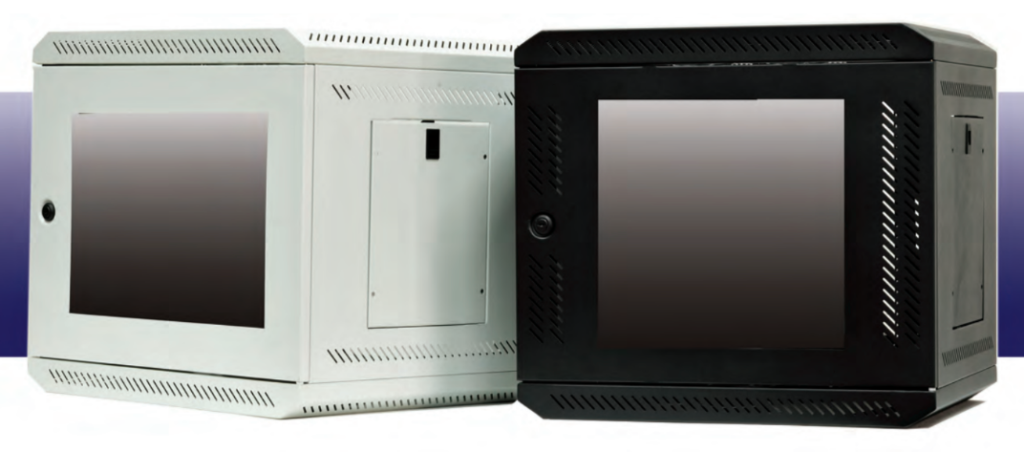
The first factor any buyer should look at is ventilation. Servers and networking equipment generate heat, and without adequate airflow, the temperature inside the enclosure can quickly rise beyond safe limits.
Look for cabinets with:
- Perforated panels or mesh doors that promote passive airflow.
- Fan mounts or pre-installed cooling fans for active ventilation.
- Cable entry points with rubber grommets that reduce dust intake.
For offices in Singapore’s tropical climate, where ambient temperatures can already strain electronic devices, a cabinet with sufficient airflow is not just recommended but essential.
Load Capacity: Don’t Overlook the Weight Limit
Another common oversight is load capacity. Every wall mount cabinet Singapore suppliers offer will list a maximum weight limit. This figure isn’t merely technical jargon—it dictates what equipment you can safely install.
For example:
- A lightweight 6U cabinet may comfortably house a few switches and patch panels.
- A deeper 12U cabinet with reinforced mounting brackets can handle small servers, power distribution units, and heavier gear.
Always plan ahead. Even if your immediate need is minimal, your network may expand in the next few years. Buying a cabinet that supports future load increases ensures you won’t need to replace it prematurely.
Lockable Access: Security Where It Counts
With sensitive data passing through every switch and server, security is a non-negotiable feature. A wall mount enclosure cabinet should come with lockable front doors—and ideally, side panels as well.
This prevents unauthorised tampering, whether intentional or accidental. In shared office spaces or environments with frequent foot traffic, this becomes doubly important.
Some higher-end cabinets even offer advanced features such as keyed-alike locks, electronic access, or audit trails—worth considering if you manage confidential or regulated information.
Integration with Structured Cabling
Your wall mount cabinet is only one part of the bigger picture: structured cabling. Poorly managed cables create tangled messes, strain equipment, and complicate troubleshooting.
When selecting a cabinet, ensure it provides:
- Ample cable routing channels to separate power and data lines.
- Tie points and management accessories to secure cables neatly.
- Rear access panels for technicians to work efficiently during maintenance.
The best wall mount enclosure cabinets in Singapore are designed with structured cabling in mind, ensuring that installation and future upgrades remain smooth and efficient.
Choosing the Right Size and Depth
Cabinets are typically measured in “rack units” (U), with 1U equal to 1.75 inches of usable vertical space. A 6U wall mount cabinet might suffice for small setups, while 9U or 12U cabinets provide more room for growing networks.
Depth is equally important. Shallow cabinets may save space but won’t accommodate larger devices. Always check the depth of your networking equipment before purchasing a cabinet—especially if you plan to mount deeper switches or UPS systems.
Common Mistakes to Avoid
Many buyers in Singapore make predictable mistakes when selecting their first wall mount data cabinet:
- Underestimating ventilation needs and facing overheating issues.
- Choosing the cheapest option, only to discover poor build quality.
- Failing to consider future scalability, leading to costly replacements.
- Ignoring structured cabling compatibility, resulting in messy, inefficient setups.
Avoiding these pitfalls ensures your investment pays off in the long run.
Investing Smartly in Singapore’s IT Infrastructure
In today’s digital-first economy, reliable infrastructure underpins smooth business operations. A well-chosen wall mount data cabinet doesn’t just organise equipment—it protects investments, reduces downtime, and keeps IT systems resilient.
For Singapore businesses, where space is limited and expectations are high, the right wall mount enclosure cabinet can bridge the gap between convenience and enterprise-grade reliability.